Home | Academic Orientation Transition Year - Ramleh
Academic Orientation Transition Year - Ramleh
The Transitional Preparatory Year Project, run by Citizens Building Society, is an educational program aimed at enabling Arab students in the cities of Jaffa, Lod and Ramle to make a smooth transition from high school to academic life.
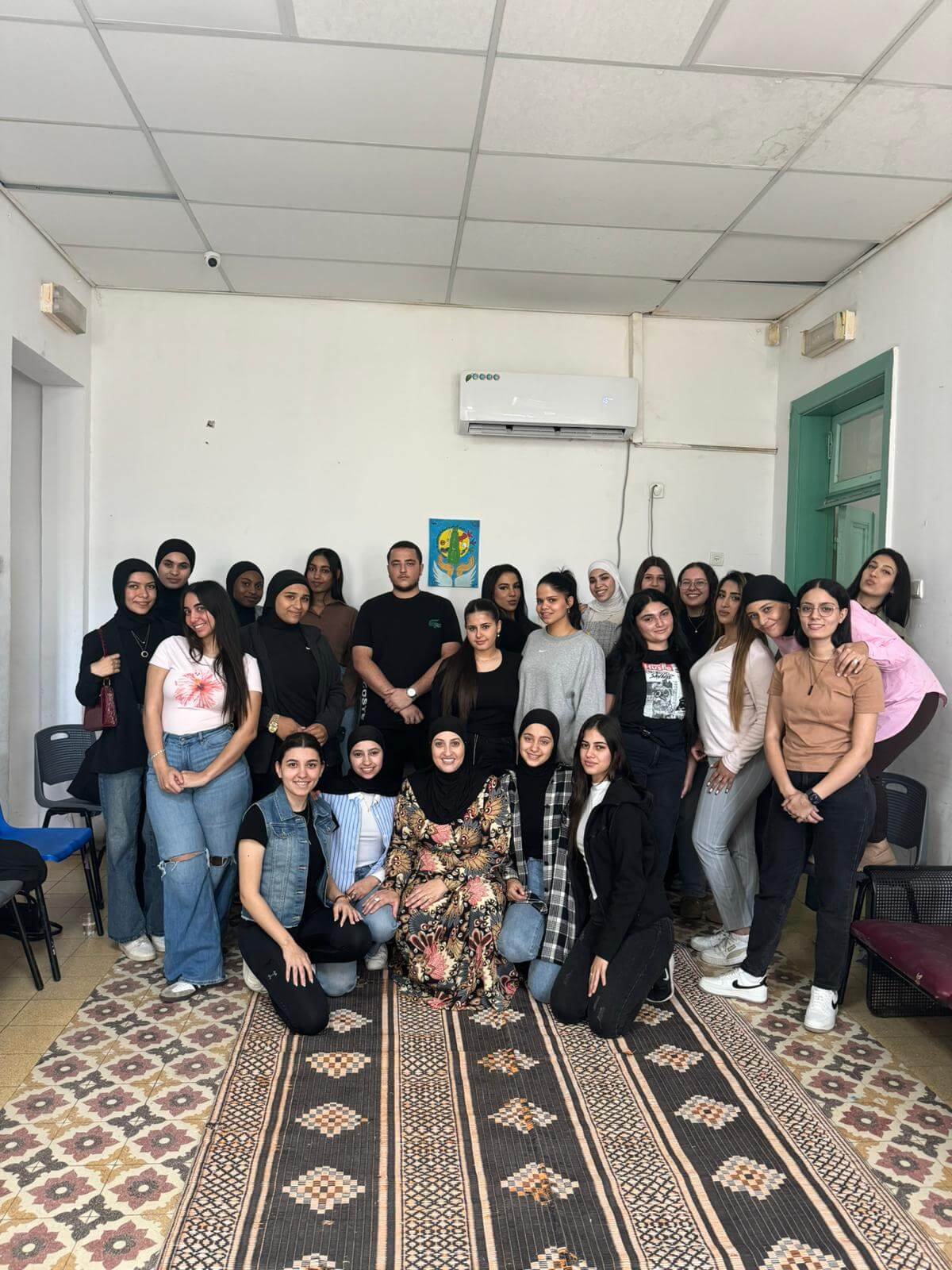
The association has existed since 2006 until today in its headquarters in Balad and has been providing services to Ramle students over the years until it was expanded and opened a branch to the neighboring areas of Ramle and Jaffa in 2023 in an official manner and in partnership with the municipality in Ramle. The Ramle branch is located on Yehuda Stein Street 4 Ramle (יהודה שטיין 4 רמלה), where the project was activated for two consecutive years and graduated the first and second cohort of a group of 25-30 young men and women from Ramle and accompanied them until integration into higher education, educational qualification and the labor market.
Project goals:
- Academic counseling: Motivational lectures and workshops that help students identify their academic and career goals.
- Developing soft skills: Developing leadership, communication, and future planning skills.
- Promote community belonging: Encourage students to engage with their communities and contribute to their development.
Program activities:
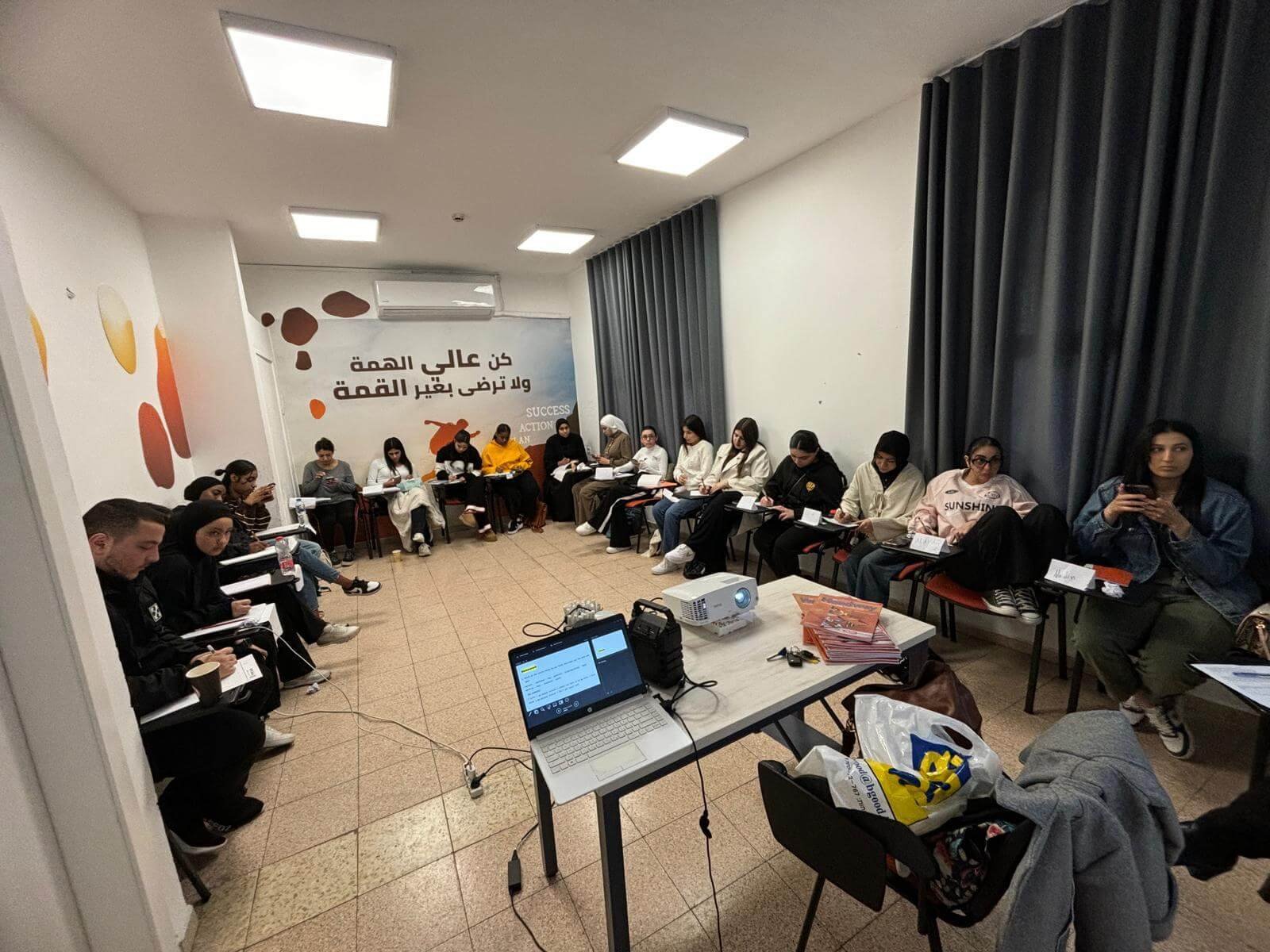
- Weekly orientation meetings and motivational lectures.
- Workshops in different areas such as dream planning and academic success.
- Sports and entertainment events to strengthen bonds between students.
The main contents of the project:
- Academic and psychological preparation for college
- Supporting students in the transition from school atmosphere to university or professional life
- Workshops on self-learning skills, time management, and critical thinking
- Discussions about the challenges they may face in higher education (e.g. language, knowledge gaps, sense of belonging)
- Promoting identity and belonging, meetings that promote self-understanding and belonging to the Arab community in mixed cities Educational activities on personal, cultural, and national identity Building social and political awareness among students about their reality as citizens in a multicultural state
- Life and Community Skills Developing leadership skills, teamwork, and conflict resolution Training in effective communication, public presentation, and decision-making Activating a sense of social responsibility and engaging in local community issues.
- Personalized accompaniment and individual empowerment Accompanying students with educational companions who monitor their personal progress One-on-one meetings to enhance the student's self-confidence and identify their goals Guidance towards appropriate educational or vocational paths according to their interests and abilities.
- Connecting students from different cities Bringing together students from Jaffa, Lod, and Ramle in joint gatherings Breaking down barriers and building relationships between young people from diverse backgrounds. Creating a safe space for dialog and mutual exposure.
End of Year - Closing Event
- Organize a large field meeting that brings together the students of the project.
- Sports, cultural activities, and art workshops.
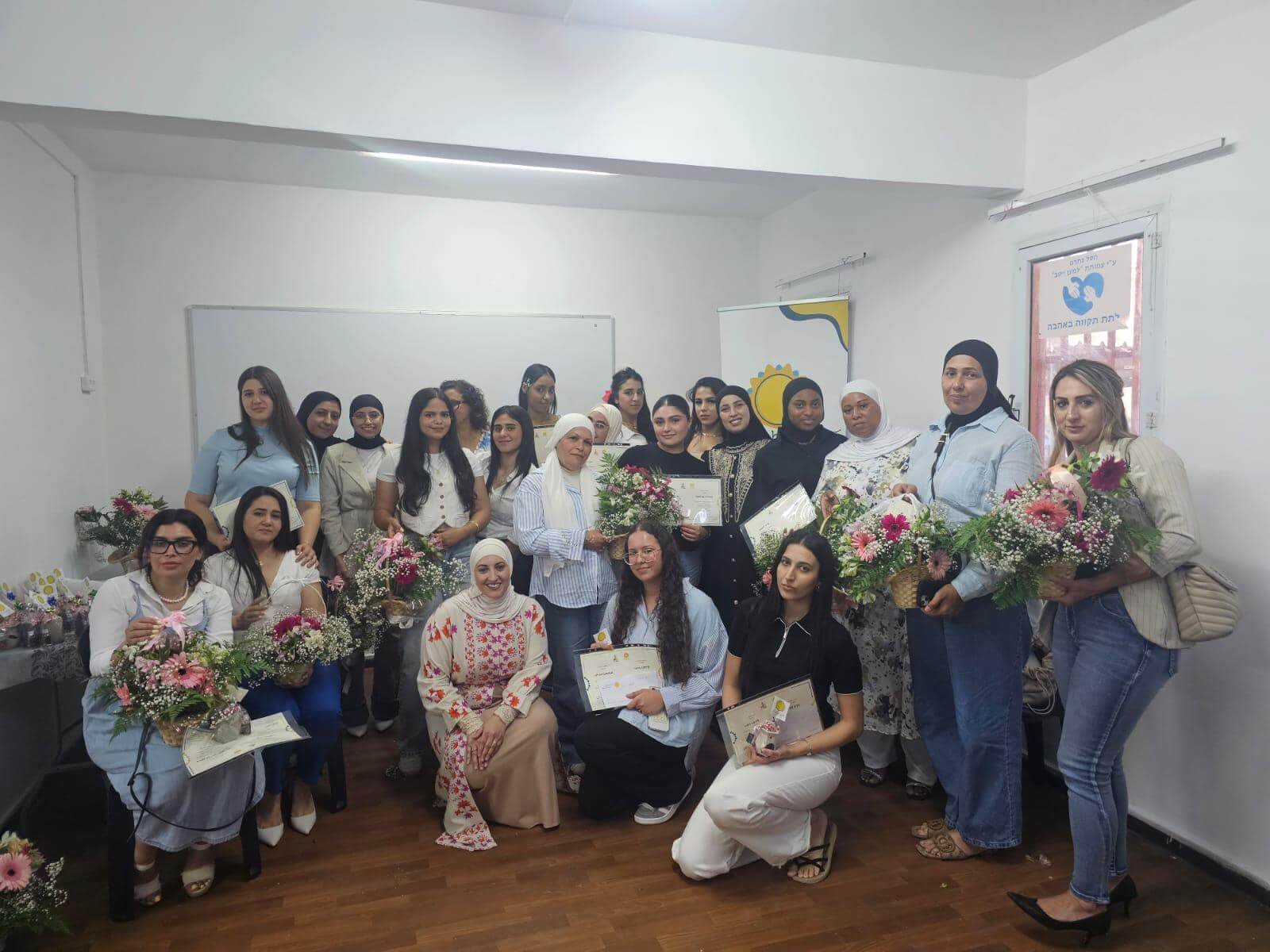
- Presentation of the year's outputs, certificates, and a celebration of achievement.
The overall vision of the project:
Being an Arab student in mixed cities:
- Conscious of his identity and status.
- Equipped with the necessary tools to face the challenges.
- An active participant in building his community and determining its future.
The program concludes with a group event at the end of the year with a summary ceremony for each region or a group photo of the entire project where students participate in educational and social activities aimed at strengthening relationships between the participants from the three cities.
This project is part of the organization's series of initiatives that seek to support and empower Arab youth in their educational and societal journeys.
The accompaniment of the project participants is completed for another year after the integration into academic education